.png)

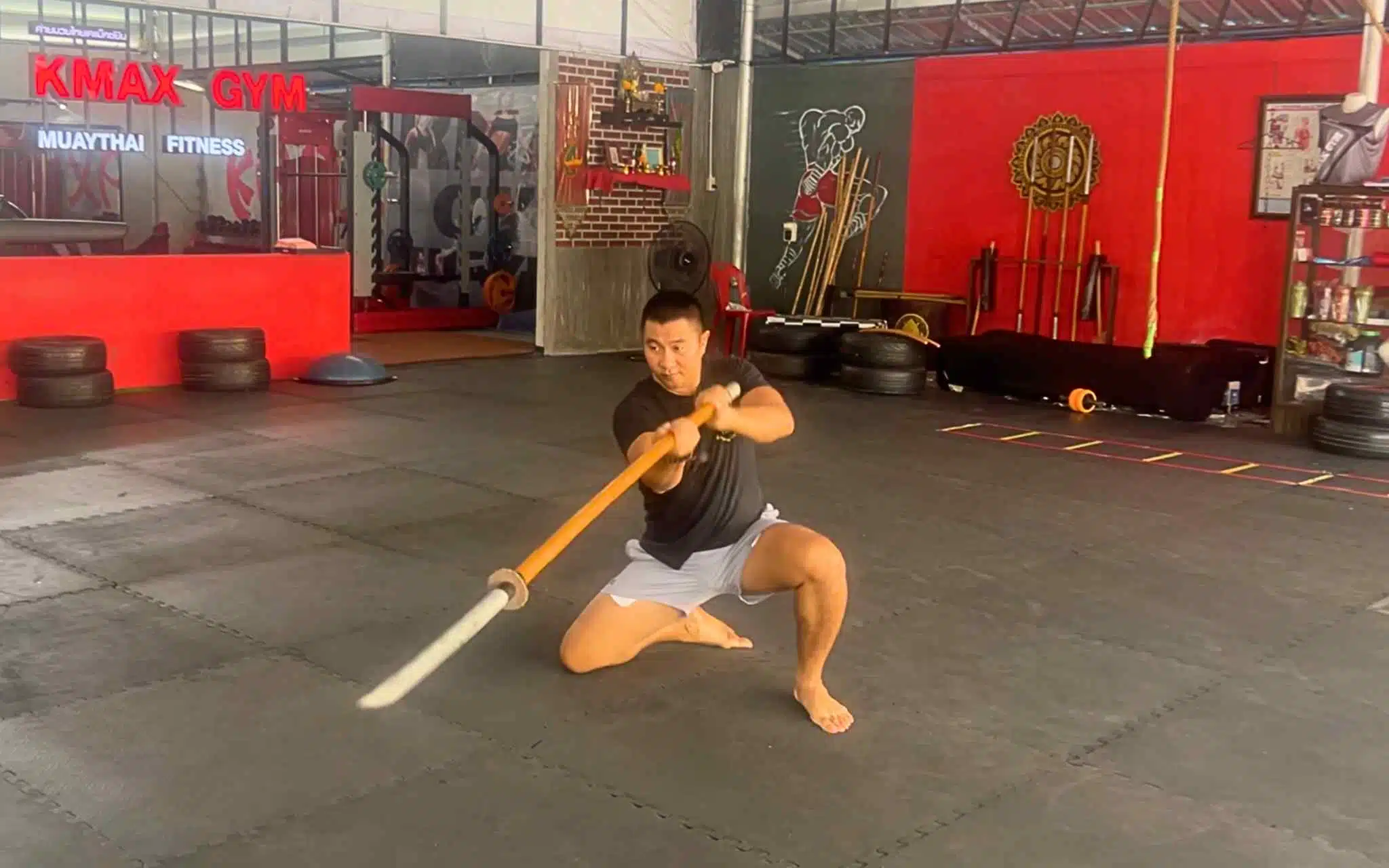
Krabi-Krabong is a traditional Thai martial art deeply entwined with the history and culture of Thailand. Known for its elegant yet effective combat techniques, it employs a range of weapons, including swords, staffs, and spears, alongside unarmed combat. This ancient art form is not just a method of self-defense but also a discipline that fosters spiritual and physical development.
The significance of Krabi-Krabong in Thai culture extends beyond the realm of martial skills. It is a symbol of national heritage, reflecting the historical battles and valor of the Thai people. Integral to various cultural festivities and ceremonies, Krabi-Krabong represents Thai ancestors' strength, agility, and wisdom, connecting modern practitioners to their rich past.
In this article, we will dive into the fascinating world of Krabi-Krabong, uncovering its historical roots, unique techniques, cultural importance, and adaptation in contemporary times. Explore how this venerable martial art continues to influence not only the field of combat but also the cultural fabric of Thailand.
Let's dive in.
Historical Origins of Krabi-Krabong
The historical origins of Krabi-Krabong, a revered martial art in Thailand, offer a fascinating glimpse into the country's past. This section delves into the roots of Krabi-Krabong, exploring its early history, the influence of historical events on its development, and the key figures who shaped it into what it is today.
The Historical Roots of Krabi-Krabong
Krabi-Krabong's roots can be traced back to the early kingdoms of Thailand when warriors needed practical combat skills for battlefield and personal defense. Its name, derived from the main weapons used – the sword ('Krabi) and staff ('krabong') – points to a martial tradition deeply intertwined with the weaponry and tactics of ancient Thai warriors. This art form is more than just a fighting technique; it represents a blend of physical skill, spiritual discipline, and cultural legacy passed down through generations.
Early History and Development of Krabi-Krabong
The early history of Krabi-Krabong is marked by its evolution from a battlefield necessity to a structured martial art. Initially developed for warfare, it was practiced by Thai soldiers and nobility. Over time, as the kingdom of Thailand evolved, so did Krabi-Krabong. It transitioned from a purely combat-focused art to one encompassing sport, culture, and spiritual discipline. This period saw the codification of techniques and the integration of traditional Thai beliefs and practices into its training regimen.
Influence of Historical Events on the Martial Art
Historical events in Thailand, particularly those involving warfare and kingdom consolidation, significantly impacted the development of Krabi-Krabong. Wars with neighboring kingdoms and internal conflicts catalyzed the evolution of techniques and strategies within this martial art. These periods of turmoil tested and refined Krabi-Krabong and helped spread its practice throughout the kingdom, cementing its place in Thai culture.
Key Figures in the History of Krabi-Krabong
Several key figures in Thai history have played pivotal roles in nurturing and safeguarding Krabi-Krabong. Notably, King Naresuan the Great, celebrated for his military acumen, was a staunch advocate of this martial art, incorporating its techniques in his legendary battles against the Burmese. Similarly, King Rama V, known for his modernization efforts, recognized the value of Krabi-Krabong, ensuring its integration into military training and thus preserving its practice.
The lineage of masters from the esteemed Buddhai Sawan Institute, especially in the 19th century, has been critical in maintaining the integrity and efficacy of Krabi-Krabong techniques. This safeguarded Krabi-Krabong during challenging times and esteemed it as a respected cultural practice, deeply revered in times of peace. Their enduring legacies have significantly contributed to the flourishing of Krabi-Krabong, cementing it as a lasting emblem of Thai heritage and martial prowess.
Krabi-Krabong Techniques & Weapons
The mastery of Krabi-Krabong, Thailand's traditional martial art, is grounded in its unique techniques and the variety of weapons it employs. This section explores the core techniques that define Krabi-Krabong, the array of weapons integral to its practice, and the distinctive training methods and philosophy that underpin this ancient art form.
Krabi-Krabong Key Techniques
Krabi-Krabong is characterized by various dynamic techniques requiring agility, precision, and strength. These techniques include fluid striking and blocking maneuvers, skillful footwork, and the strategic use of distance and timing. Practitioners learn to seamlessly transition between armed and unarmed combat, making Krabi-Krabong a versatile and comprehensive martial art. The emphasis is on fluid, continuous motion, utilizing the body's momentum to generate power and efficiency in offensive and defensive movements.
Types of Weapons Used in Krabi-Krabong
The weapons of Krabi-Krabong are as diverse as the techniques they complement. The primary weapons include the 'krabi' (sword) and 'krabong' (staff), from which the art derives its name. Additionally, practitioners use an array of other traditional weapons such as the 'daab' (single-edge sword), 'ngao' (spear), and 'mai sok san' (twin sticks). Each weapon requires a unique skill set and understanding, contributing to the rich and varied arsenal of a Krabi-Krabong practitioner. The mastery of these weapons not only involves learning their physical handling but also understanding their historical and cultural significance.
Training Methods & Philosophy
The training methods in Krabi-Krabong are deeply rooted in Thai culture and emphasize both physical skills and mental and spiritual development. Training typically begins with basic stances and movements, gradually progressing to more complex techniques and weapon handling. Physical conditioning, discipline, and respect for the art and its traditions are core elements of the training process. The philosophy of Krabi-Krabong goes beyond mere combat effectiveness; it encompasses principles of honor, courage, and mindfulness, aiming to develop individuals who are not only skilled fighters but also possess strength of character and a deep connection to their cultural heritage.