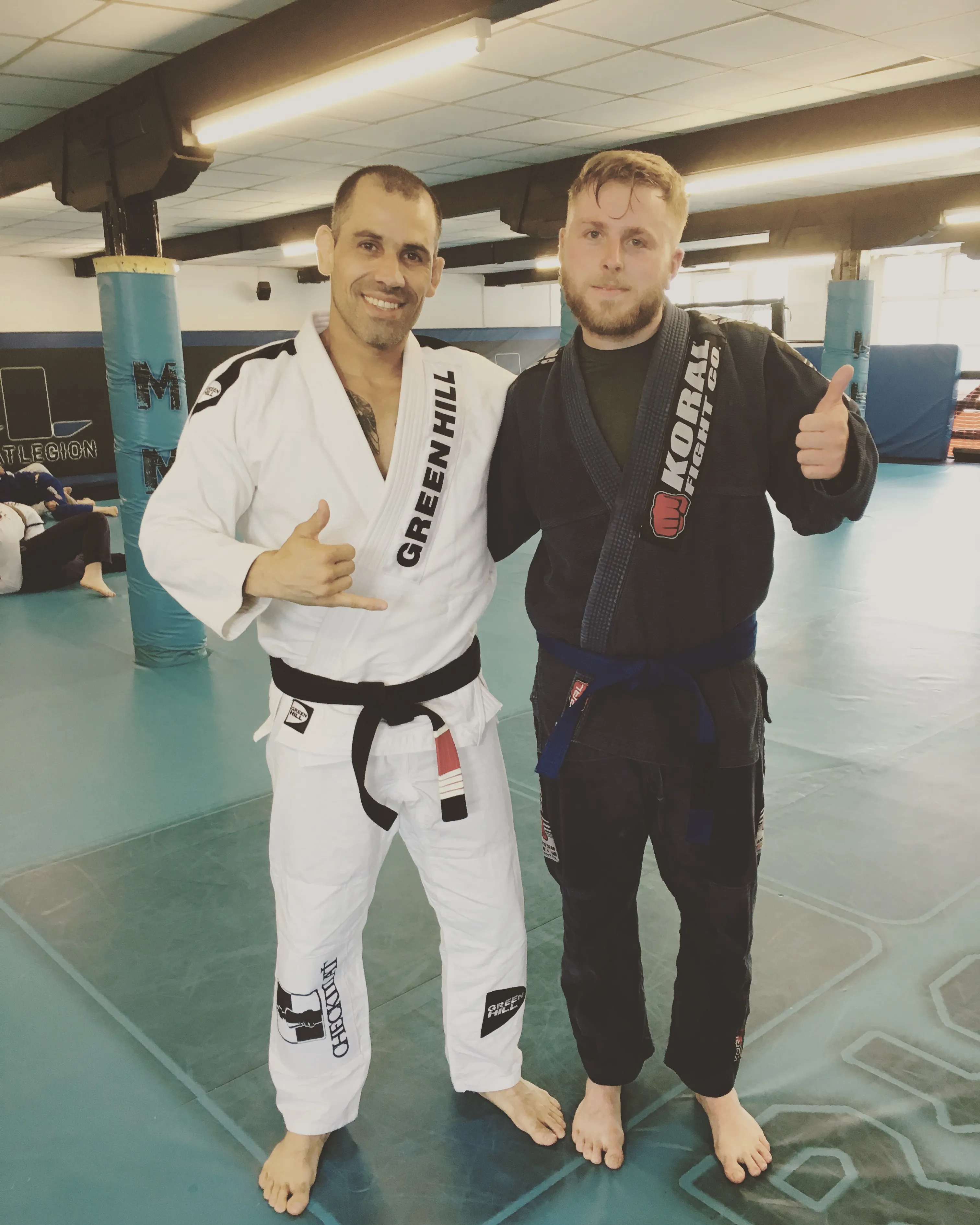
MMA, an abbreviation of mixed martial arts, is a high-level, extremely dynamic and volatile sport. As the name suggests, it mixes in several different types of martial arts with different move types, including striking with hands, kicking with legs, using your elbows and knees to do damage and even dominating your opponent while wrestling and grappling on the ground.
Since MMA consists of several different, yet equally important, aspects of the fight game, it follows that it’s a skillset that’s extremely difficult, if not impossible, to master. In fact, a person can dedicate the better part of their life to learning just one aspect of MMA – for example, grappling and BJJ – and still have a lot left to learn at the end of it. It’s a skillset that constantly evolves with new ways to attack, which also leads to the evolution of better ways to defend yourself and so on.
That said, as difficult as MMA is to master, it’s not at all impossible to get good at it. Depending on your current level of skill, it may take several years of regular training before you can comfortably say that you’re well-versed in mixed martial arts. We’ll discuss what you can do create an MMA training regime that will help challenge you without leaving you drained on the road to mastery.
Training Frequency - The More You Train MMA, the Better You’ll Get
The simple rule of thumb for most people is – they need to train more to get better. There’s a culture created by well-meaning people centered on being comfortable while training and getting plenty of recovery. As well-meaning as this advice is, it underestimates the importance of frequent, hard training, as a way to getting better at MMA. If you aim to get reach the pinnacle of the sport, you simply cannot allow yourself to miss any training sessions.
Is Training 3 Times a Week Enough for MMA?
But in the end, it all depends on how much you’re willing to learn and how much you’re willing to sacrifice to learn MMA. At the very least, we would recommend that people go to train at least 3 times per week. This is in line with challenging yourself and learning new things while still retaining the time to rest and recover. While it’s true that having even a single training session per week is infinitely better than having no training sessions at all – if you decide to train once or twice per week, it won’t turn you into an elite MMA fighter – not unless you’re some kind of MMA prodigy.
Can You Train MMA Every Day?
Some people have a natural tendency to go all out when training – going for hours on end, every day of the week. While this is commendable, there’s a case to be made about the danger of overtraining. You’ll progress in your skillset dramatically if you train every day, but you will also more than likely hit a wall at one point. You’ll not only feel tired and unwilling to keep up with your gruelling MMA schedule, but you may also significantly increase the risk of injury – perhaps even a devastating injury that will keep you out of the mats for months.
Consider the case of one of the highest-level UFC fighters to date, Khamzat Chimaev. He’s known for having a relentless training schedule which propelled him to the top and made him a champion, but he’s also known for having serious troubles with life-threatening injuries which have most likely resulted from overtraining.
So, if you want to get solid at MMA, frequency-wise, we recommend that you take the middle road and have 3-5 training sessions per week. This simultaneously prevents undertraining where you aren’t challenged enough and overtraining where you accumulate long-term fatigue and increase the risk of injury.
How Often Should You Train MMA Based on Your Goals?
| Your Goal |
MMA Training Frequency |
What to Focus On |
| Learn MMA casually |
1–2 sessions per week |
Build basic skills, improve fitness and enjoy training |
| Get good at MMA |
3 sessions per week |
Consistent progress across striking, wrestling and grappling |
| Improve quickly |
4–5 sessions per week |
More technical practice, drilling and controlled sparring |
| Compete at amateur level |
5–6 sessions per week |
MMA skills, sparring, conditioning and fight preparation |
| Compete professionally |
6+ sessions per week |
High-volume, structured training across MMA, S&C and recovery |
The Ins and Outs of an MMA Training Session – What to Do to Progress
If you’ve ever trained any sport or learned any skill in your life, you’re likely fully aware that it’s not just the number of times and hours you’ve spent training that’s important. The content of the training sessions is extremely important, as well, and the same thing goes when learning MMA.
Since this sport contains several different aspects of fighting, it means you’ll need to get better and improve at each of them, lest you fall victim to your weakest link. For example, if you focus your training sessions on striking alone, you may get lucky in a few fights and win by knockouts. However, there will come a time when your wrestling and grappling capabilities will be tested by a person that specializes in this subset of MMA skills. If your grappling is lacking, chances are that you will get put down and submitted or ground-and-pounded to oblivion. This means that you should spend time in the gym working on all the various aspects of fighting and integrate them into your game.
The Importance of a Good MMA Coach
Having a good mentor, a person that’s not just highly skilled in MMA, but one that you actually vibe with, is of the utmost importance when progressing with your MMA skillset. In fact, working with a renowned, highly-skilled mentor will do wonders for you, as you’ll get an unbiased perspective on your strengths, weaknesses and what you should work on. Your mentor will know when to push you forward and when to reign you in. Your mentor will also tell you what drills to do and how to spar so you can improve your skills.
Enjoy the Process & Train MMA As Much As You Can
Many people are scared of starting to train MMA in the first place. This is with good reason – MMA is not a sport for everybody. If you’re afraid of physical violence of any kind, you may have an extremely hard time adjusting to MMA training. But if you’re drawn into training even though you’re uncertain, we recommend that you go through the fire and start training. It will help you mold your body and mind into a fighting machine, at the same keeping you calm and sharp when you’re off the mats.
In the end, it’s all about enjoying the process. If you follow an MMA training schedule of training at least three times per week, as the years pass you’ll find out that you keep getting better and better at it, reaching a point where you may even find yourself unrecognizable from the point you’ve begun training. So, go ahead and hit the mats – enjoy yourself and train hard!
.png)