.png)
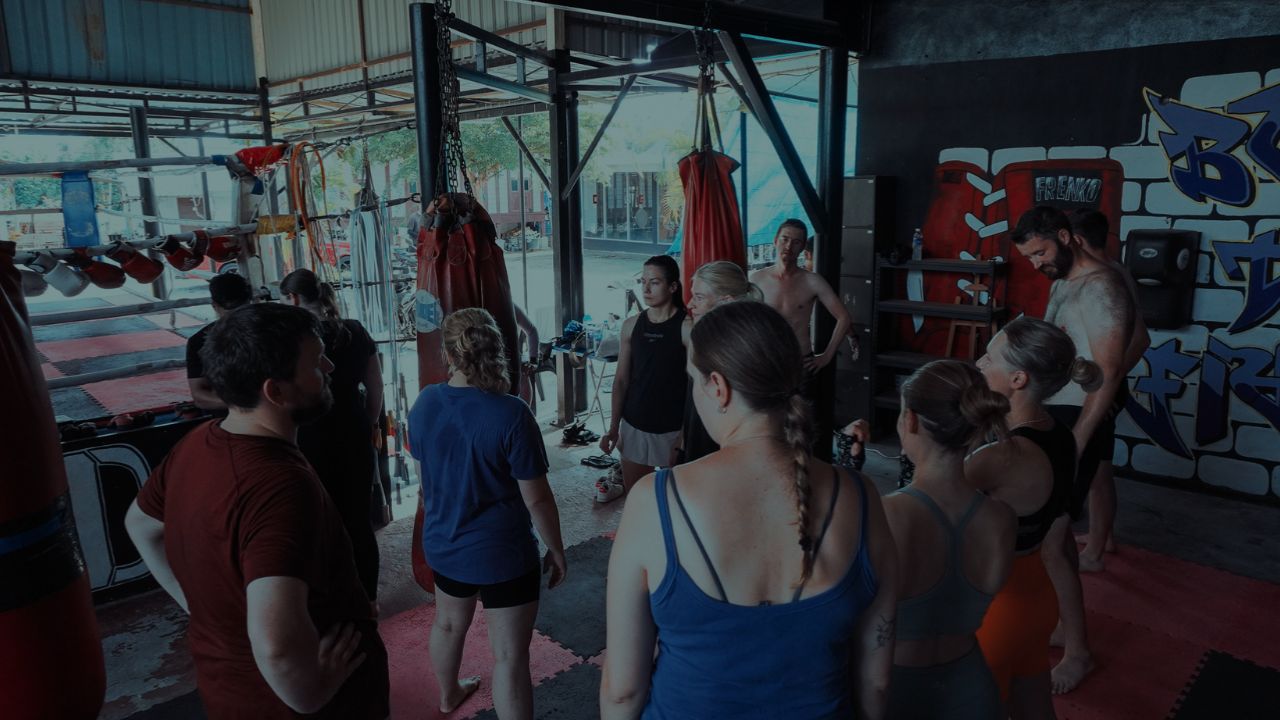
The early days of MMA delivered a collision of fighting styles, where bouts rarely lasted more than three minutes.
But the sport has evolved, and now mixed martial arts is composed of multiple fighting styles. The combination of the best aspects of wrestling, Judo, Sambo, Brazilian jiu-jitsu, Kickboxing, Boxing, and Muay Thai makes it one of the most popular sports in the world.
The traditional martial art of Aikido is pretty efficient in disabling street bullies and cocky attackers, but can you score a win inside the octagon using Aikido?
This article will explore the effectiveness of Aikido in MMA.
What Is Aikido?
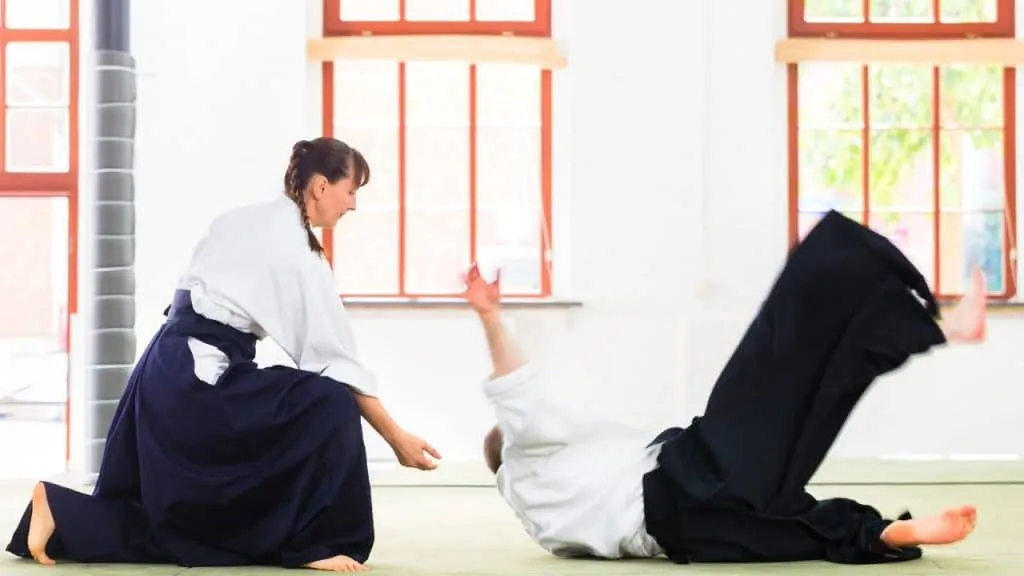
Aikido is a traditional martial art created by Morihei Ueshiba in the late 1920s and early 1930s. It is derived from the ancient martial art of Daitō-ryū Aiki-jūjutsu thanks to its creator, who was involved in the Ōmoto-kyō religion. Ueshiba developed a fighting style, primarily for self-defense purposes.
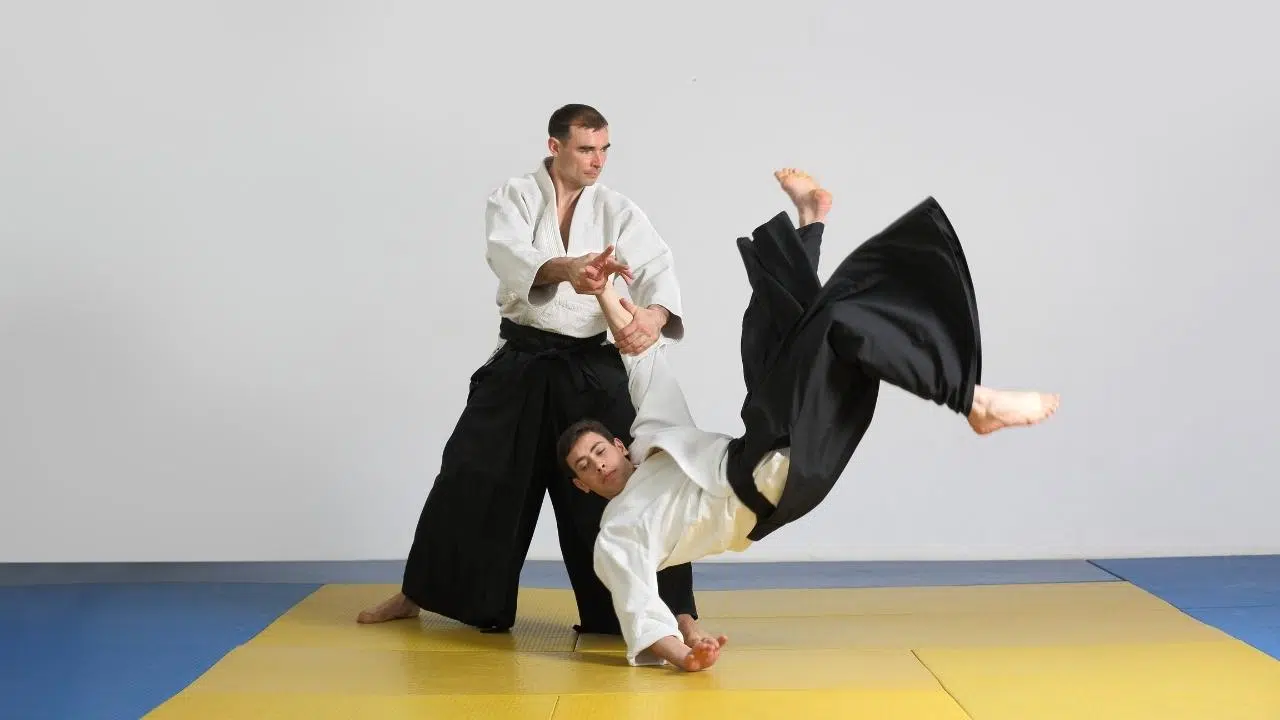
The traditional martial art of Aikido is mostly based around defensive throws and joint locks. Its ultimate goal is to disable the attacker and force him to forfeit his attacks. A true master of Aikido is “trying to overcome oneself instead of cultivating aggressiveness and violence”, according to its creator Ueshiba.
The experts of this martial art rarely attack and would rather wait for their foes to make the first move (the key point of Aikido in MMA).
Nowadays, this martial art is split into many different fighting styles - Iwama Shin-Shin Aiki Shuren-Kai, Yoshinkan, Iwama Ryu, Shodokan Aikido, Aikikai, and Ki Aikido.
Techniques Used In Aikido
Techniques can vary due to different styles of Aikido.
In general, they are divided into throws, wrist and elbow techniques, floating techniques, parries, striking, choking and defensive maneuvers.
Below we’ll focus on understanding the basic moves.
Basic Aikido Techniques
Ikkyo, or “first teaching”, is an elbow control technique. It is believed to be “the most basic technique, suitable against any attack”, and an entrance move for more complicated maneuvers.
Nikkyo, or “second teaching”, is the basic defensive wrist control that disables even the toughest of opponents and leads to an enormous amount of pain.
Sankyo, or “third teaching”, is a harder wrist control that can be used in many defensive situations. It is also brutal for your opponent thanks to a wrist twist.
Yonkyo, or “fourth teaching”, refers to wrist control plus pressure point. You’ll need some time to master it.
Gokyo or “fifth teaching” is one of the best ways to remove a knife or other sharp weapon from the attacker’s hand.
Rokkyo or “sixth teaching” is an arms control position. When you master all six, you've learned “the basics”.
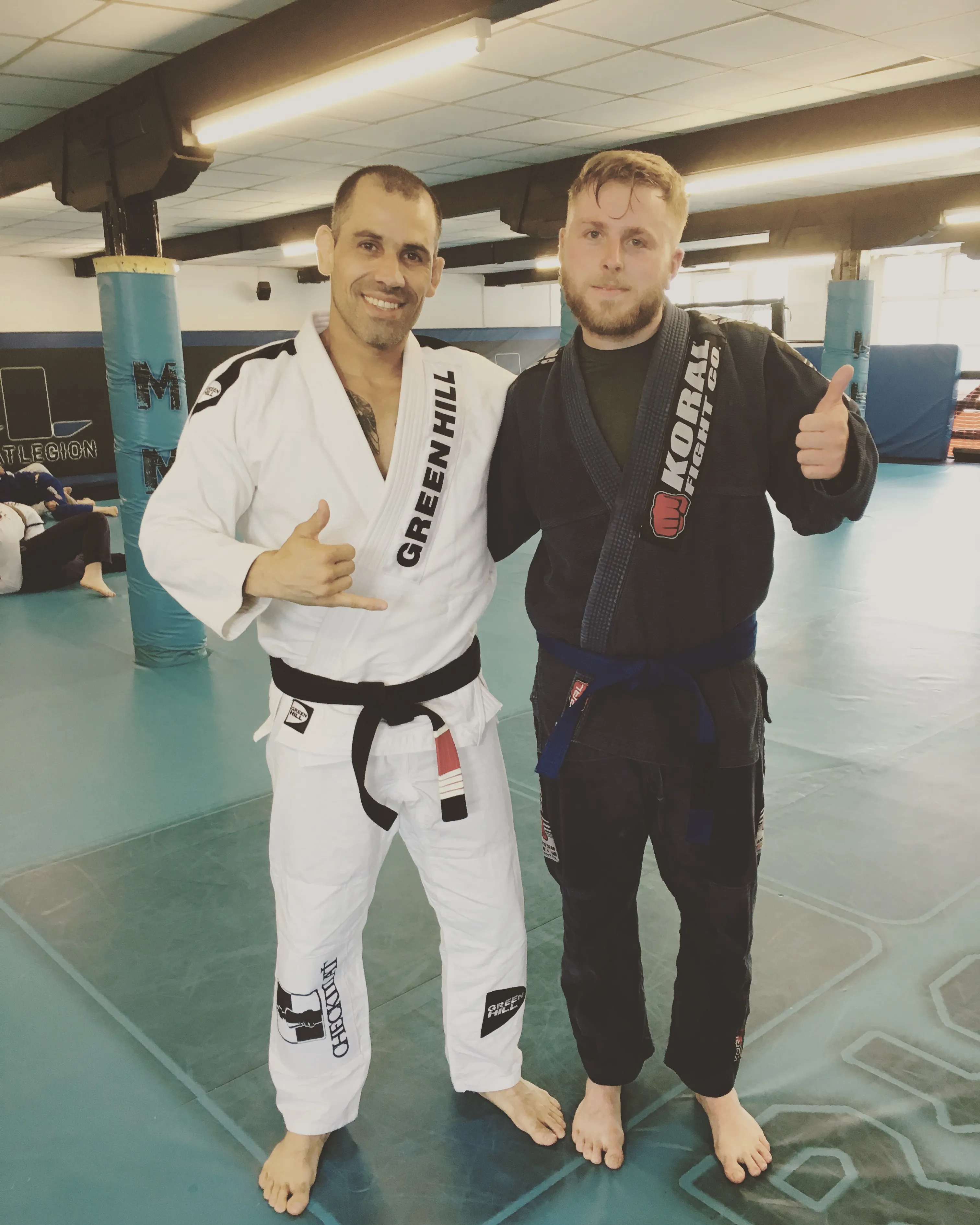
Wristlocks are legal in mixed martial arts, but unfortunately, small joint manipulation is strictly prohibited. So the ability to use Aikido in MMA is limited. Fighters are sweaty and they don’t wear GI's, which is another big challenge.
Benefits Of Training Aikido
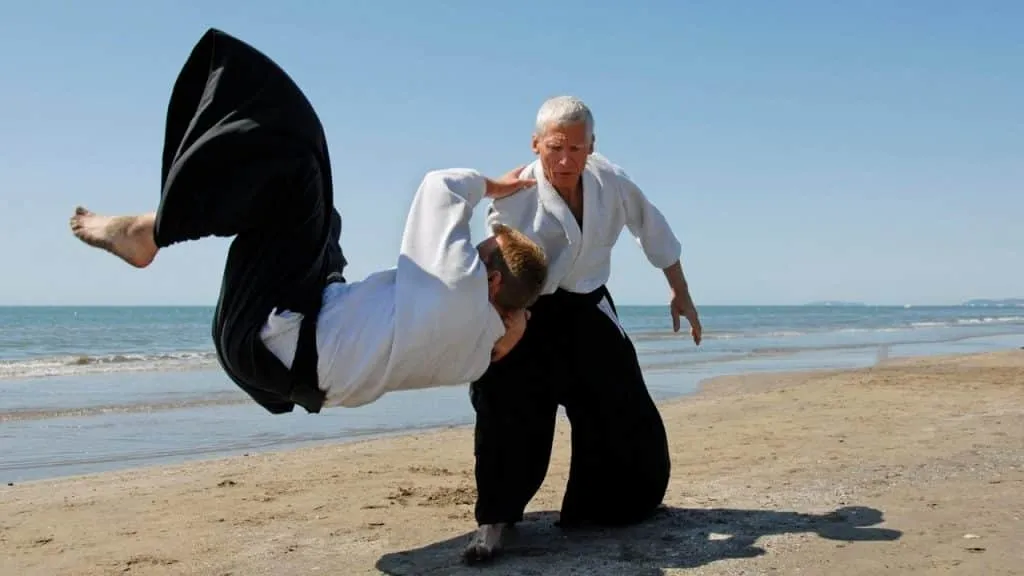
Being a member of the Aikido gym has numerous benefits. Below are the most important benefits of the traditional Japanese martial art:
- It boosts your self-esteem – if you have ever been bullied, learning Aikido will skyrocket your self-confidence for sure.
- You will meet new friends.
- It turns you into a calm person due to mental relaxation – an untrained individual will panic under pressure, but an Aikido master knows his skill set and he’s aware of his possibilities. Your mind becomes stronger, there’s less stress.
- The ancient Japanese martial art teaches you to live proactively and to stay away from conflicts – you can use it, but only for self-defense, you mustn’t be aggressive.
- Aikido leads to better joint flexibility and explosive power
- It improves your aerobic fitness – running is boring because you do the same movement pattern over and over, but you must move and defend in Aikido class, which means vigorous activity and a fun way to work on your cardio.